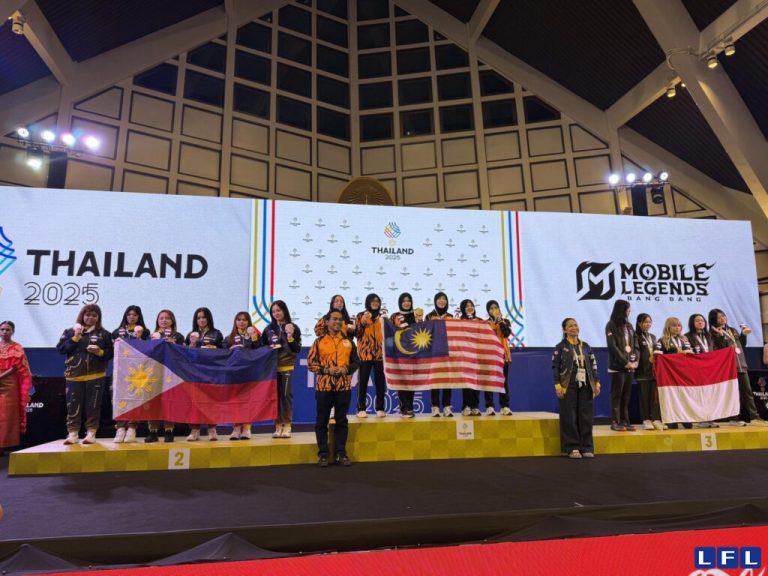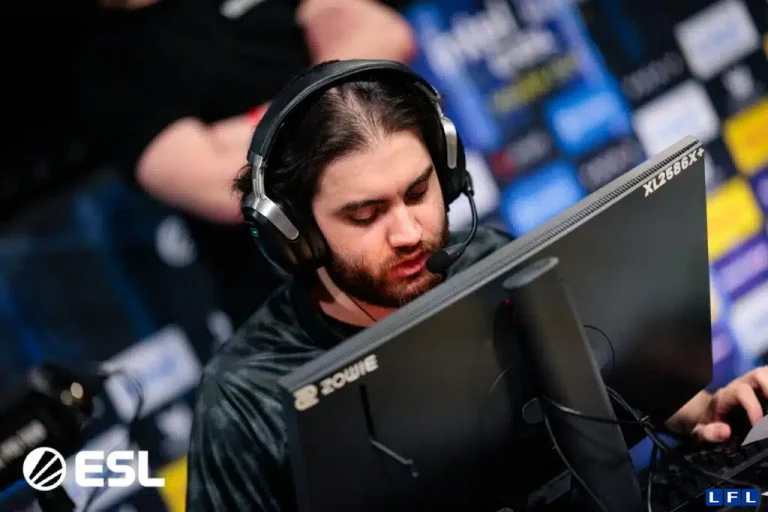
The following analysis anchors its lens on regional Esports Philippines, where rising leagues, homegrown talents, and sponsors are balancing growth against logistics and global competition. As audiences migrate to mobile-first platforms and teams adapt to tighter schedules, the Philippines remains a proving ground for how regional ecosystems can translate local passion into international relevance. This piece outlines the forces shaping the scene, identifies where value is created, and frames scenarios that stakeholders—teams, organizers, sponsors, and players—must navigate in the next 24 months.
Market Dynamics Lighting the Philippine Scene
Across the archipelago esports audiences are expanding beyond Metro Manila to provincial cities, driven by smartphone access localized content and lower-cost streaming options. In practical terms this means events can attract more micro communities who watch discuss and wager on matches using online platforms. The commercial model is evolving; sponsorship money increasingly targets teams that deliver measurable fan engagement and regional visibility rather than single-hero stars. Local broadcasters and streaming partners are experimenting with regional language commentary and multi cam setups to bring matches closer to fans in smaller cities.
Organizers are recalibrating schedules to maximize daylight and avoid clashes with school calendars. Broadcast partners push for local language options, shorter formats, and highlights that can be consumed quickly by busy fans. Hardware brands are funding bootcamps and LAN centers in underserved provinces, aiming to lower barriers to entry for players who balance school or work with practice time. All of this creates a feedback loop: more regional content drives longer watch times, which in turn attracts more local sponsors and better production values.
Talent pipelines and regional leagues
Talent pipelines in the Philippines are increasingly multi stream. MPL Philippines continues to be a backbone for team-based competition, while Valorant circuits provide a parallel ladder where aspiring players test tactical chops and timing in high tempo rounds. Beyond these formal leagues, university clubs, community organizations, and coaching networks are stitching together scrimmage culture, talent scouting events, and mentorship programs. The effect is a widening funnel: players no longer rely on a single discovery path but can earn visibility through streams, local events, and school-run tournaments that feed into professional teams or regional squads.
Organizers and brands are taking note that regional content travels well across provinces when it is presented in accessible languages and tied to recognizable local narratives. For players, this means more opportunities to build resumes with tangible performance data, more chances to play in front of audiences, and more realistic paths to international events when qualification structures align with the regional ecosystem.
Challenges and opportunities ahead
One persistent hurdle is infrastructure inequality. While urban centers boast stable internet and robust venues, rural provinces still contend with bandwidth gaps and limited practice facilities. Scheduling is another pain point: players juggle school or work with practice windows that must fit in the calendars of fans who travel long distances to attend events. For organizers, sustaining financially viable events means balancing prize pools with production costs and negotiating broadcast rights that provide predictable revenue across seasons.
On the opportunity side, the Philippines has a young, digitally fluent population that responds to authentic storytelling and community-led content. Partnerships with telcos, hardware vendors, and local media can broaden reach and lower the ticket price of entry for players from different regions. Cultural resonance matters too; events that highlight local talent and regional pride can convert casual watchers into loyal supporters, which in turn sustains longer term investment from brands who crave demonstrable engagement metrics.
The road to Masters Santiago and beyond
Global tournaments act as a barometer for local ecosystems. When regional teams secure slots in international events, it validates the investment made by organizers and sponsors at the domestic level. The discourse around regional representation in marquee events like Valorant Masters in Santiago highlights how regional leagues must tighten their talent pipelines, coaching standards, and data-driven scouting to remain competitive. While the path to such stage events is incremental, the Philippines has shown capacity to produce credible contenders through coordinated regional ladders, cross-border scrims with neighboring SEA scenes, and a willingness to invest in coaching and analytics infrastructure.
In practical terms, this means regional teams must rapidly mature their operations: adopting scalable practice schedules, formalizing player development plans, and aligning with events that offer both local exposure and international qualification routes. For fans and sponsors, the payoff is a more consistent calendar of high-quality matchups that can translate into stronger brand associations and steady fan engagement even during quiet seasons.
Actionable Takeaways
- Standardize regional schedules to reduce fan fatigue and improve travel planning for teams and spectators.
- Invest in local academies and boot camps to grow talent pipelines, with emphasis on analytics and coaching certification.
- Partner with telecoms and hardware brands to subsidize connectivity and practice facilities across provinces.
- Expand broadcast reach with local language commentary and modular formats that suit mobile viewing.
- Foster school and university partnerships to integrate esports into curricula and create formal pathways to professional leagues.